Why Jory Caulkins Invests in Moats, Not Just Multiples
Jory Caulkins of Enduring Companies shares how trust, moats, and downside protection drive his investment decisions as an independent sponsor.
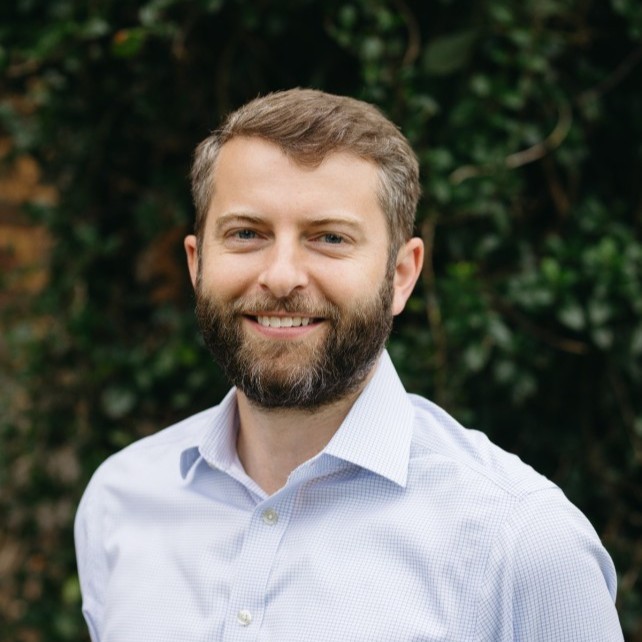

Dallas-based Jory Caulkins is a Stanford GSB / Bain Capital alum with extensive experience as a serial entrepreneur, dealmaker, and operator. His firm, Enduring Companies, owns four portfolio companies, including two as the lead sponsor.
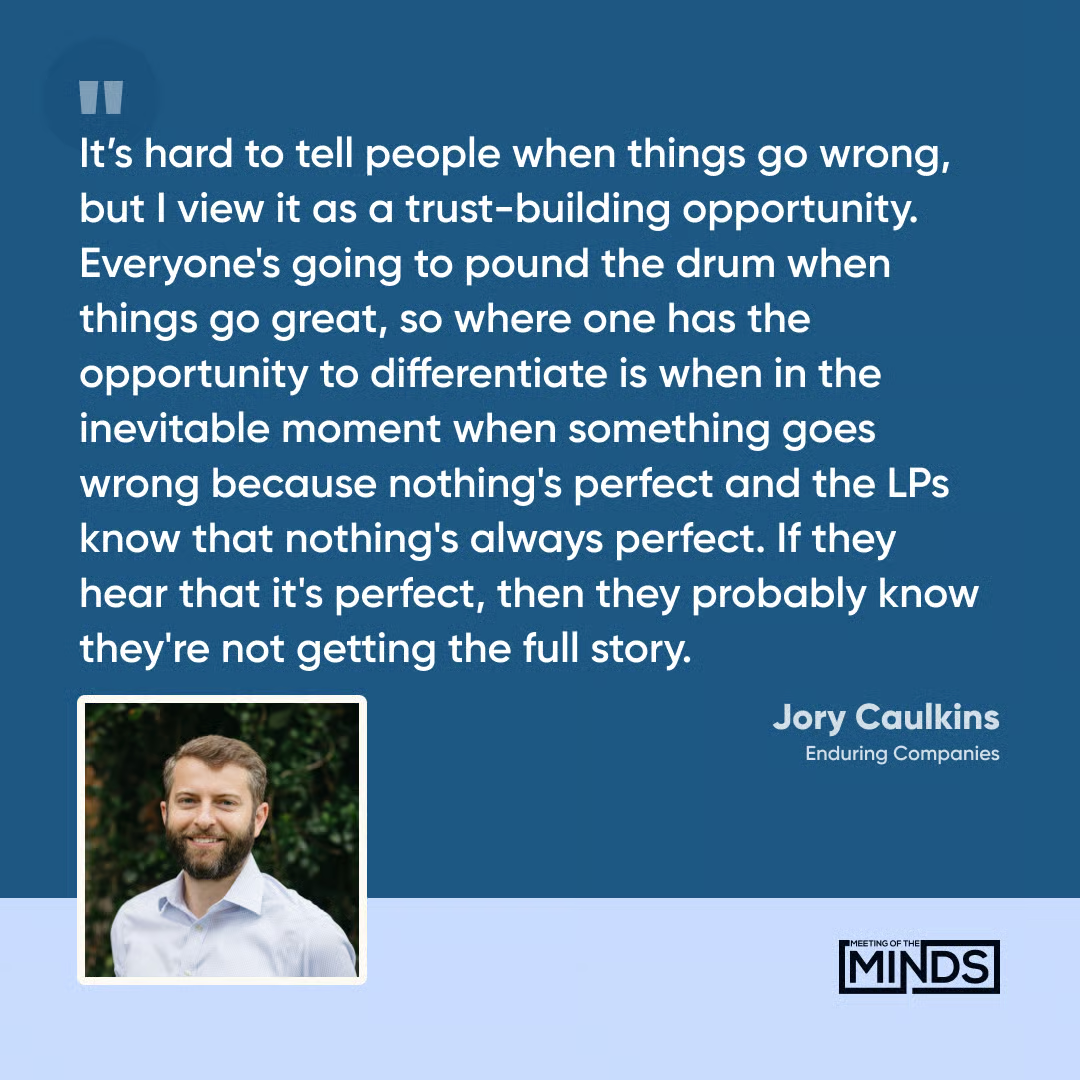
Jory discusses “trust” in great detail. He outlines why it is so important and suggests a series of tactical ways to build trust with sellers, investors, and other stakeholders. He explains the “say-do” ratio, likens trust to a bank account, and advocates for content marketing as a trust-builder.
Jory shares that his firm didn’t close a deal in 2024, despite reviewing 1,400 opportunities. Is it them or is it the market? We don’t know, but Jory takes us through how he tries to stay disciplined and only pursues opportunities that are both a good fit for him and a good business in general.
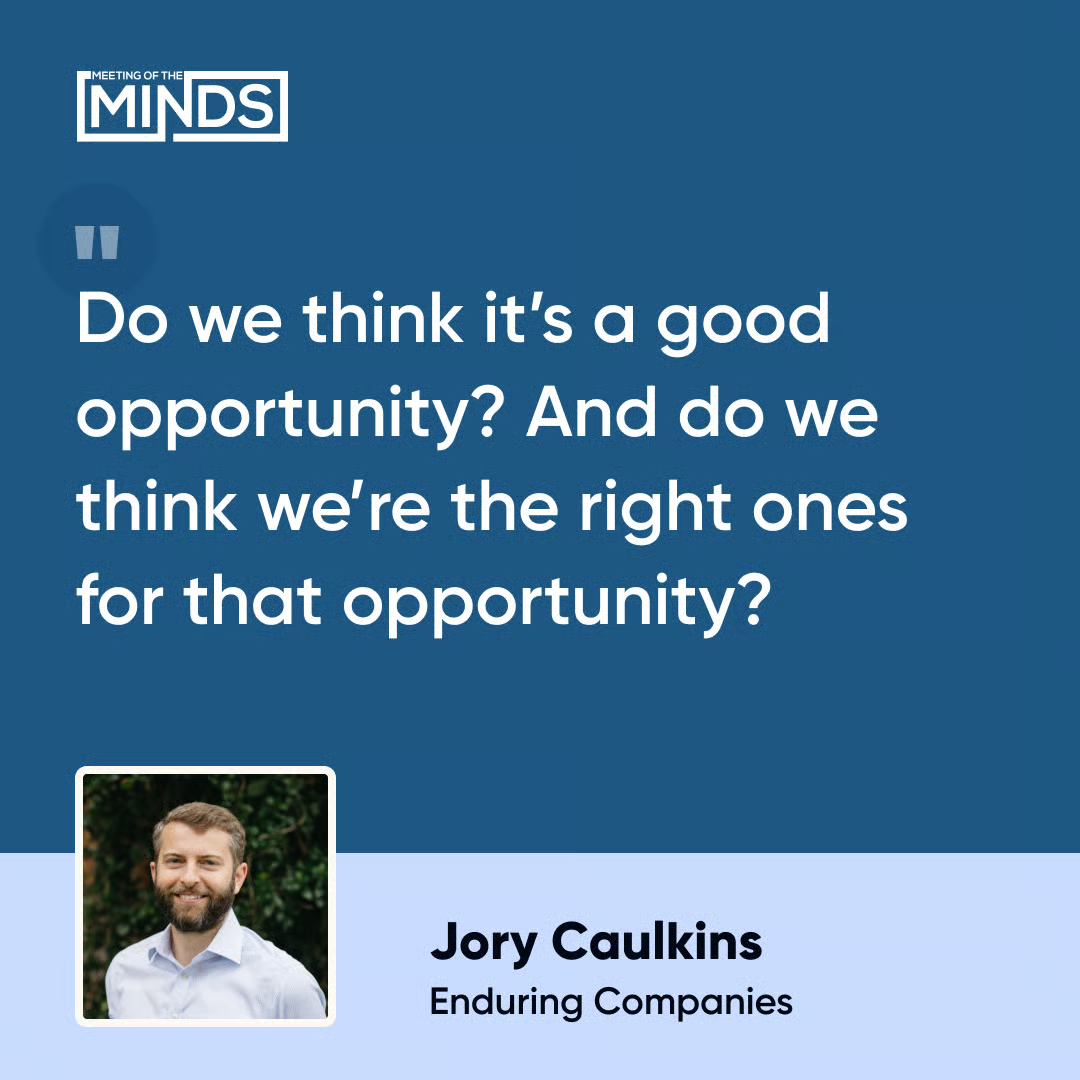
According to Jory, deal diligence can boil down to three main criteria:
- Moat: Can the business maintain and grow market share indefinitely?
- Longevity. Is there a risk the business may be disrupted?
- Asymmetry. Is the downside protected? Is there upside potential?
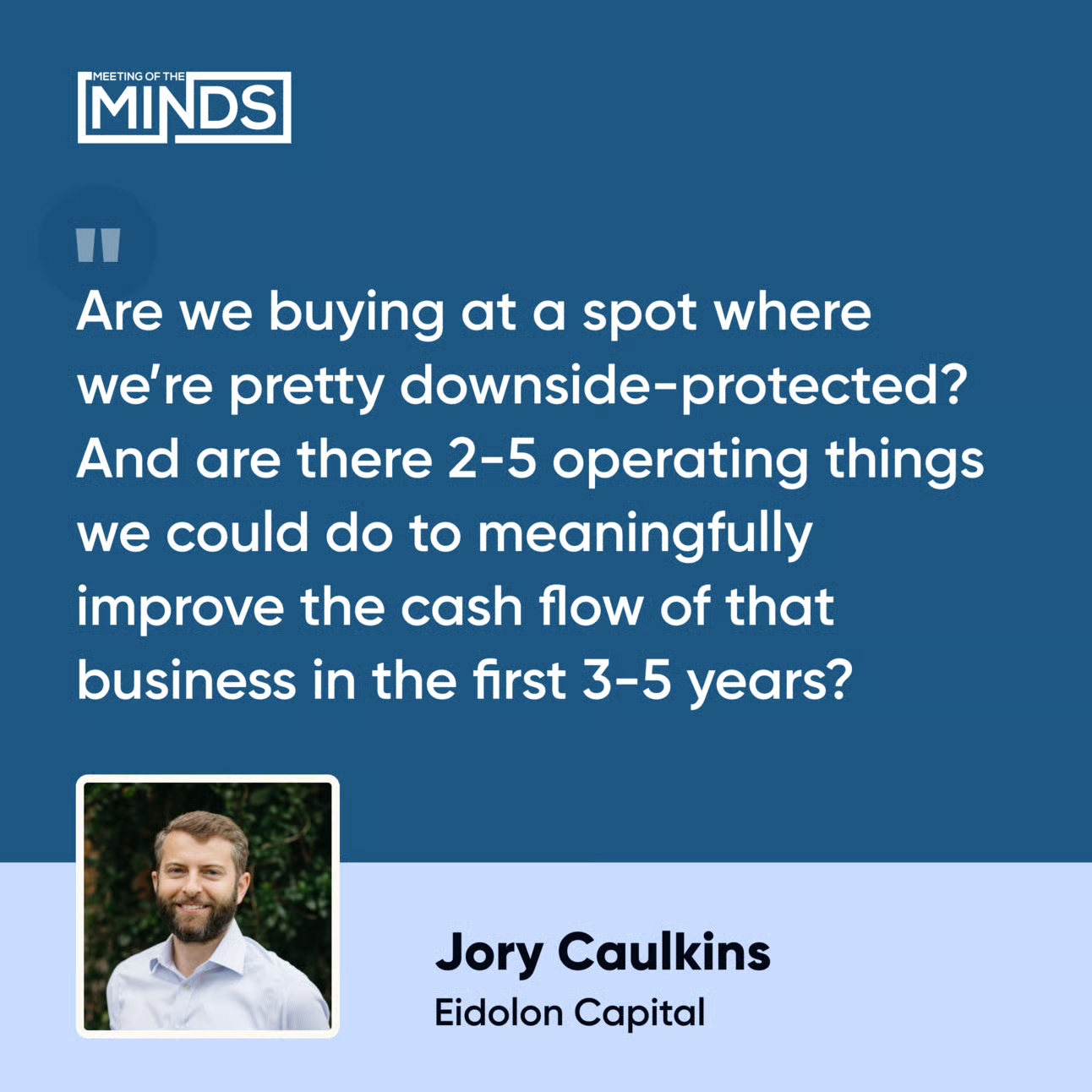
Listen for Jory’s insights on investment philosophy, industry trends, and business-relationship-building advice.
More recent episodes
Winning Big by Doing Minority Recaps
Erik Miller of Perspective Equity Partners shares how 30 years in finance shaped his founder-first approach to minority investments and building trust over control.
Acquiring Infrastructure for PortCos
Leah Berend of Merrin Investment Partners shares her dealmaking playbook: embrace imperfect situations and prioritize culture to unlock 4x value growth.

$10m EBITDA After COVID Killed The Business
Nicolás Lulli grew EBITDA from $0 to $10m after COVID devastated his Peru acquisition, using aggressive turnaround tactics and micro-KPIs.